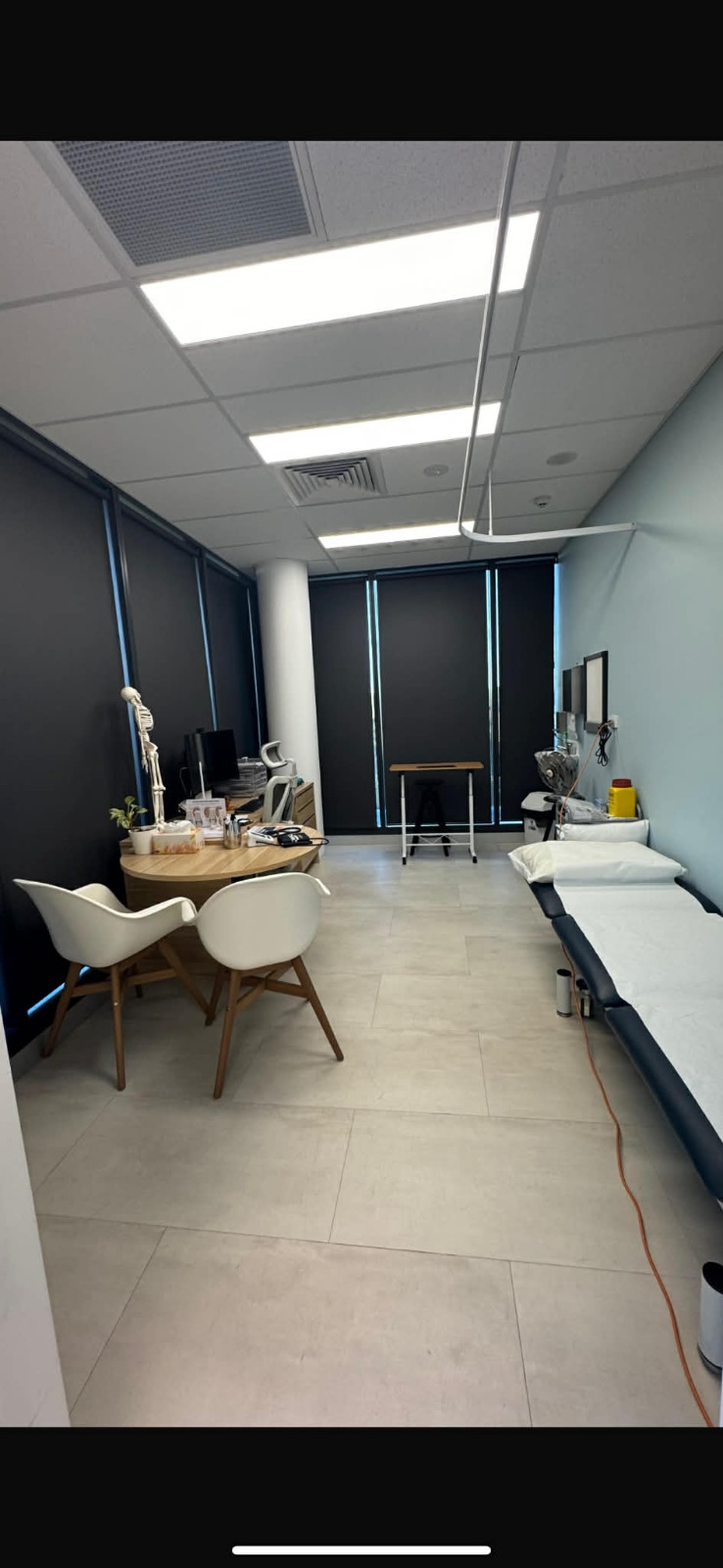
Medical centre cleaning is one of the most specialised commercial cleaning verticals in the industry. It also has one of the biggest gaps between contract pricing and actual compliance delivery. Most medical practices across Australia run cleaning contracts that don't fully meet the RACGP infection prevention and control requirements, and they don't find out until there's an audit or an infection event.
We do medical centre cleaning for GP clinics and specialist consulting rooms across Sydney, plus allied health practices. The pattern is consistent. The contracts that work look very different from the commodity office cleaning contracts most practices start with when they first open.
What Makes Medical Cleaning Different
Four structural things separate medical cleaning from standard commercial cleaning.
Patient population first. Patients in medical practices are often sick, immunocompromised, elderly, or very young. Cross-contamination risk is significantly higher than in a standard office. A dirty door handle in a GP clinic has different consequences from a dirty door handle in a consulting firm.
Then the regulatory framework. The RACGP's Infection Prevention and Control Guidelines, aligned with the NHMRC Australian Guidelines for the Prevention and Control of Infection in Healthcare, set out specific requirements for environmental cleaning in medical practices. Non-compliance affects practice accreditation.
The surface mix is different too. Medical practices have surfaces that standard commercial cleaners don't typically handle. Examination tables, specific medical equipment, consulting room floors adjacent to clinical waste, bodily fluid spill zones.
And the required cleaning products. Standard office detergents aren't sufficient for most medical environments. TGA-listed hospital-grade disinfectants with appropriate dwell times are the baseline.
The RACGP Standard
The RACGP's infection prevention and control guidelines on cleaning policy and responsibilities are explicit on what medical practices must have in place:
- A written cleaning policy specific to the practice
- A designated infection prevention and control coordinator
- Specific cleaning schedule for all environmental surfaces
- Documented procedures including minimum frequencies, methods, staffing, equipment, and chemicals
- Audit and monitoring process
- Contract cleaner inclusion in the practice's cleaning policy
- Standards Australia alignment on sterilisation and infection control
Most contract cleaners don't read these guidelines. Most practice managers don't check whether their cleaner complies. The gap gets exposed at accreditation.
Reception and Waiting Area
Highest-traffic zone in the practice. Also where sick patients concentrate before being seen.
Scope per visit:
- Reception counter wiped with hospital-grade disinfectant
- EFTPOS terminal, pens, clipboards, and shared devices disinfected
- Chair arms wiped (where patients wait)
- Children's play area toys disinfected (if applicable)
- Floor vacuumed with HEPA-sealed commercial vacuum, then mopped
- Door handles, light switches, and reception glass cleaned
Frequency: daily minimum. Multiple times per day during peak flu season or outbreaks.
Consulting Rooms
Each consulting room needs attention between patient sessions, plus end-of-day deep clean.
Between patients (practice nurse or doctor responsibility usually, but affects contract scope):
- Examination table disinfected
- Any touched equipment disinfected
End of day (medical cleaning contractor):
- Examination table full clean
- Consulting desk and chair
- Floor mopped with hospital-grade product
- Sink and tap fittings
- Blood pressure cuff and other equipment surfaces
- Any waste bins emptied
- Door handle and light switch
Treatment Rooms and Procedure Areas
Higher-stakes zones than consulting rooms. Procedure rooms, immunisation rooms, dressing rooms, pathology collection points.
Scope:
- All surfaces hospital-grade disinfectant
- Floors treated as potentially contaminated (bodily fluid risk)
- Clinical waste bins emptied with proper handling
- Sharps containers checked (not emptied by cleaners, but checked)
- Any spills on hard surfaces addressed with correct spill protocol
Public Bathrooms
Medical practice bathrooms get heavier use and higher contamination risk than general commercial bathrooms. Patients with gastro symptoms, pregnant patients, unwell patients.
Scope per clean:
- Full toilet disinfection (seat, bowl, flush handle, under rim)
- Basin and taps
- Door handles both sides
- Hand dryer or paper towel dispenser
- Floor mopped with hospital-grade product
- Consumables restocked (soap, paper towel, toilet paper)
Frequency: minimum daily, mid-day refresh during busy practice hours.
Staff Areas
Lunch room, break areas, staff bathroom. Lower risk than patient zones but still requires regular attention.
Scope: standard commercial cleaning plus kitchen hygiene (fridge interior if used by staff, microwave, benchtop, sink).
Clinical Waste Zone
Clinical waste storage and the path from treatment rooms to waste storage need specific attention. Spill risk, pathogen risk, and regulatory compliance all apply.
Clinical waste is handled by licensed waste contractors (not cleaners), but the floor and surrounding surfaces are the cleaner's responsibility.
Required Products
TGA-listed hospital-grade disinfectants with:
- Appropriate contact/dwell time (usually 30 seconds to 10 minutes depending on product)
- Spectrum covering viruses, bacteria, and fungi
- Compatibility with practice surfaces
Common products in medical centre cleaning:
- Clinell Universal wipes (TGA-listed, broad spectrum)
- Viraclean (hospital-grade disinfectant spray)
- Chlorine-based products for blood or bodily fluid spills
- Improved hydrogen peroxide formulations
Not acceptable:
- Standard supermarket multi-surface sprays
- Dish soap and water for high-touch surfaces
- Expired disinfectants
- Products without TGA listing for clinical use
Colour-Coded Cloth System
Mandatory in professional medical cleaning. Different cloths for different zones to prevent cross-contamination.
Standard colour coding:
- Red: toilets and bathroom floors
- Yellow: bathroom basins and surfaces
- Blue: general office and reception
- Green: kitchen and food areas
Cloths washed at 60°C minimum between uses or disposable alternatives used.
Cleaning Policy Documentation
Per RACGP requirements, every medical practice must have a written cleaning policy that includes:
- Name of infection prevention and control coordinator
- Cleaning staff and responsibilities
- Cleaning schedule for every surface
- Products used with safety data sheets
- Monitoring and audit process
- Contract cleaner inclusion if cleaning is outsourced
Professional healthcare cleaning providers supply the cleaning policy input and audit documentation as part of the service. Commodity cleaners don't.
What a Good Medical Centre Cleaning Contract Specifies
Beyond frequency and scope, a proper GP clinic cleaning contract covers:
- Zone-specific scope with different standards per area
- TGA-listed product specification with safety data sheets provided
- Colour-coded cloth system with wash protocol
- HEPA-sealed vacuum specification
- Audit frequency and format (monthly minimum)
- Spill response protocol for bodily fluids
- Communication protocol for stock replenishment and incidents
- Infection control coordinator sign-off process
- Insurance including public liability and clinical environment coverage
Commodity contracts specify hours and nothing else. Which fails accreditation audits.
When Professional Medical Cleaners Earn Their Place
Medical cleaning sits at the specialist end of commercial cleaning. Specific product knowledge, infection control training, documented processes, and audit-ready reporting all matter.
A general commercial cleaning operator without medical experience will cost less in year one and significantly more by year three through accreditation issues or patient complaints. Cross-contamination events too.
If you run a GP clinic, specialist consulting rooms, or allied health practice in Sydney and need cleaning that meets RACGP standards, our medical cleaning service handles medical practices across the metro area with full infection control protocols and audit documentation.