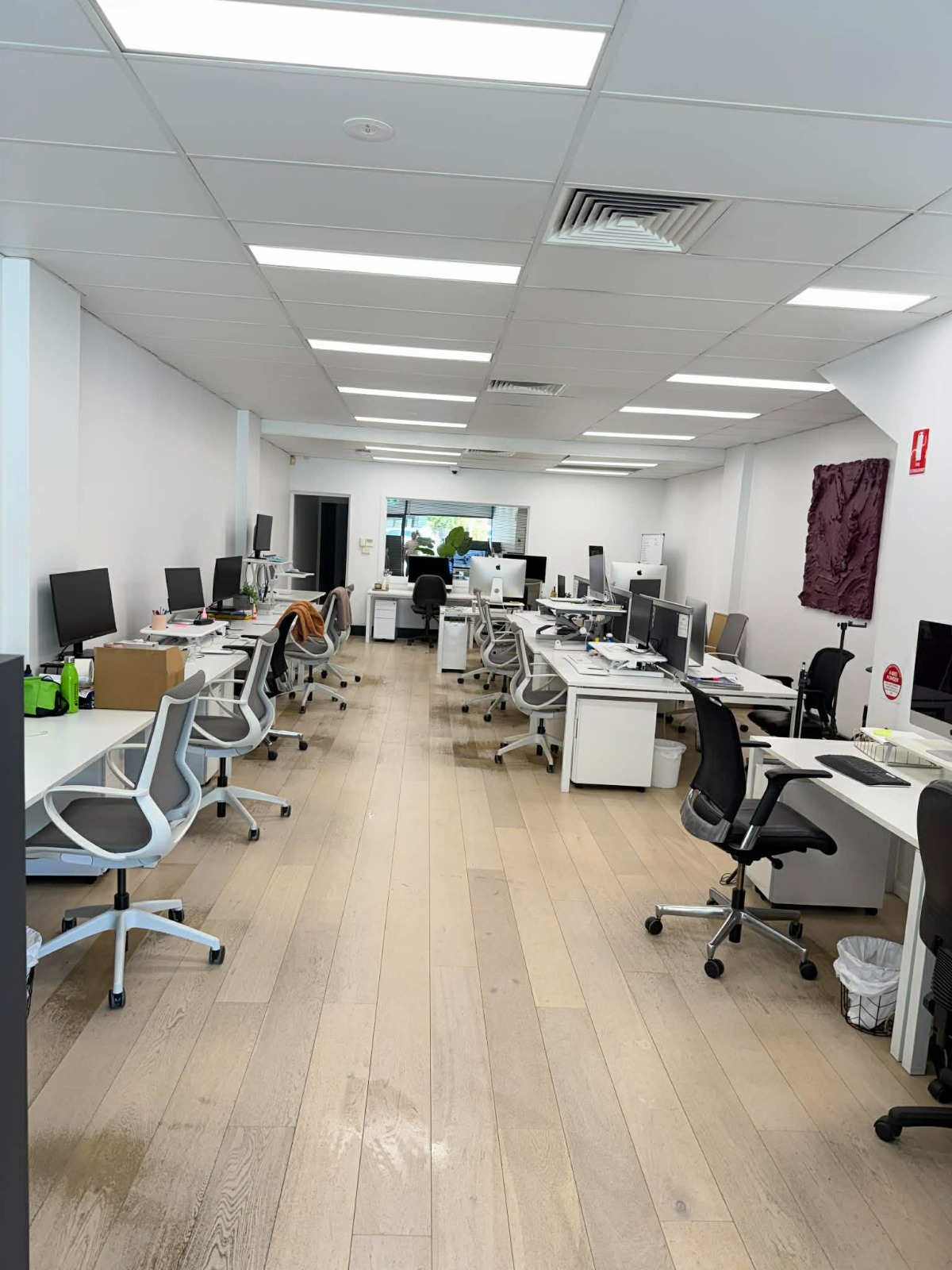
Facility management cleaning is one of the least understood verticals in the commercial cleaning industry. Property owners and FM contractors often treat it as a bigger version of office cleaning. It isn't. FM cleaning has structural differences that require a different contract, a different operational model, and a different reporting framework than any single-site commercial clean.
We do facility management cleaning for corporate campuses and mixed-use commercial sites. Multi-tenant properties too. The contracts that work look very different to the commodity FM cleaning contracts that dominate the tender market.
What Makes FM Cleaning Different
Three structural differences separate FM cleaning from other commercial cleaning contracts.
First, scale and complexity. FM cleaning contracts typically cover multiple buildings or multiple functional zones within a large site. Office areas, amenities, warehousing, loading docks, external hardstand, tenant kitchens, communal breakout, meeting suites. Each has its own cleaning specification. Managing them as a single contract requires coordinated crews and layered SLAs. Unified reporting too.
Second, operational tempo. Office cleaning fits into after-hours. Retail fits around trading. FM cleaning is often 24/7. Corporate campuses have staff arriving from 6am. Data centres and 24-hour operations never close. Loading docks run overnight. The cleaning brief has to accommodate multiple shifts without operational disruption.
Third, integrated services. Modern FM cleaning contracts often sit inside a broader Integrated Facilities Management (IFM) or Total Facilities Management (TFM) bundle. Cleaning is one line item alongside security, waste management, landscaping, minor maintenance, and pest control. The cleaning operator has to coordinate with these adjacent services rather than run in isolation.
The SLA and KPI Framework
FM cleaning contracts live and die by their Service Level Agreements. A well-structured FM contract sets out:
- Frequency for each zone (daily, weekly, monthly, quarterly)
- Response time for reactive tasks (spills, incidents, unplanned deep cleans)
- Quality inspection scores (typically monthly, with defined thresholds)
- Reporting cadence (daily sign-off, weekly summary, monthly management report)
- Escalation protocol for missed SLAs
Commodity FM contracts skip most of this and specify only hours per week. This leads to hours being delivered without outcomes being achieved. The building might get 200 cleaner hours per week, but the ceiling vents haven't been touched in a year and the goods lift is filthy.
Compliance and Work Health and Safety
FM cleaning has real WHS obligations. SafeWork NSW's sets out that facilities must be clean, safe, accessible, and in good working order. This is a legal duty on the PCBU (Person Conducting a Business or Undertaking), and cleaning contracts have to deliver against it.
The compliance areas that matter most in FM cleaning:
- Slip and fall risk management through cleaning method and floor maintenance
- Chemical safety and hazardous substance handling under the GHS
- Cleaning of amenities (toilets, kitchens, staff facilities) to Code of Practice standards
- Ventilation and indoor air quality maintenance
- Waste management compliance
- Legionella risk management through cooling tower and water system awareness
An FM cleaning contract that doesn't specify these is exposing the client to WHS liability. Commercial FM cleaning contracts should have compliance thresholds built into every SLA.
Integrated Facilities Management Cleaning
TFM contracts consolidate cleaning with adjacent soft services. The cleaning operator either handles multiple service lines directly or coordinates with the head FM contractor. Either way, the cleaning delivery integrates with:
Security. Access schedules for cleaning need to align with security patrols. Sensitive zones need cleared cleaners with specific inductions.
Waste management. Waste collection points need cleaning attention. Bin rooms and chute enclosures need dedicated protocols.
Landscaping. External hard surface cleaning integrates with landscaping so tracked-in soil is minimised.
Maintenance. Cleaning identifies maintenance needs like a slow leak or a damaged ceiling tile, then reports them through the FM system. Broken taps too.
Integrated commercial cleaning operating properly reduces overall FM cost by 10 to 20 percent through eliminating duplicate visits and coordinated scheduling.
The Reporting Standard
FM clients need visibility on what's happening. A modern facility management cleaning operation provides:
- Digital sign-off at each cleaning event (usually mobile app based)
- Weekly performance summary against SLAs
- Monthly management report with photos of issues and completed remediation
- Quarterly walk-through with client stakeholders
- Real-time incident reporting for spills, damage, or safety events
Contracts without reporting build in blindness for the client. The building might be under-cleaned for six months before anyone knows.
Multi-Shift Operations
Most FM cleaning sites require multiple shifts. The typical structure:
Overnight: deep clean of office areas, floor extraction, restrooms fully reset, high-touch surfaces disinfected, waste collected.
Early morning: reception and lobby areas detailed before staff arrival, breakout areas prepared, meeting rooms restored.
Day shift: reactive cleaning, restroom refreshes, spill response, meeting room turnover between bookings, waste service.
Evening: closeout clean of client-facing areas, restock consumables, prepare for overnight cycle.
Managing this requires a properly resourced operator with local supervision and shift-based leadership rather than a distant contractor pushing casual staff into whatever shift is short.
Sustainability and NABERS
Commercial FM cleaning increasingly needs to align with tenant and landlord sustainability commitments. NABERS ratings, Green Star buildings, and corporate ESG targets all touch the cleaning contract.
Practical implications:
Chemical selection favouring low-VOC and Green-Tag certified products where possible. Reduced water consumption through efficient equipment. Waste stream separation. Sustainable procurement of consumables like recycled toilet paper and refillable dispensers. Reporting on chemical and water consumption for ESG metrics.
A commodity FM cleaner won't handle any of this. An operator with FM experience builds it into the standard scope.
What Good FM Cleaning Contracts Specify
Beyond room and frequency, a proper FM cleaning contract includes:
- Multi-zone specification with different standards per zone
- SLA table with quality thresholds and response times
- KPI framework with monthly review
- Chemical and equipment specification (including sustainability requirements)
- Compliance framework references (WHS Code of Practice, relevant standards)
- Multi-shift structure with named supervisors
- Digital reporting and audit trail requirements
- Integration protocols with adjacent FM services
- Escalation and remedy for missed SLAs
- Insurance and indemnity at commercial site levels (public liability minimum $20 million)
Contracts written this way cost more than commodity FM cleaning quotes, usually 20 to 30 percent. They also deliver measurable improvements in tenant satisfaction, compliance, and long-term site condition.
When Professional FM Cleaners Earn Their Place
Facility management cleaning sits above the routine commercial cleaning market and below the specialist services (medical infection control, laboratory clean, aseptic). FM cleaning operators who deliver at scale have multi-site operational capacity and audit-ready reporting. Structured shift management too.
A cheap FM cleaning contractor without these will save the client money in year one and cost them significantly more in years two and three through tenant complaints and compliance gaps. Accelerated wear on floors and finishes too.
If you manage a corporate campus, mixed-use commercial site, or multi-building property and need FM cleaning that actually delivers to spec, our facility management cleaning service covers multi-zone SLA delivery and structured reporting. Integrated coordination with adjacent FM services too.