Pet hair is visible. Pet allergens are not. The difference matters because most pet cleaning focuses on the visible hair and misses the part that actually triggers asthma and year-round runny noses. Same goes for chronic eczema. We do regular residential cleaning for households with pets and the gap is consistent.
Pet allergens aren't the hair itself. They come from dander (the skin cells pets shed) and saliva, with urine adding to the mix. All of these stick to surfaces and fabric for months. According to the National Asthma Council Australia, pet allergens become airborne when the pet sheds and can remain airborne for some time. They also stay in a home for months or years after the pet has gone. That last point is the one new occupants don't realise when they move into an ex-pet home.
This isn't a "give up your dog" article. Most households with mild pet allergies can manage with consistent cleaning. Here's what consistent looks like.
Vacuum More Often and With the Right Vacuum
A non-HEPA vacuum spreads the allergen rather than collecting it. The fine dander particles pass through standard filters and back into the room air, which is worse than not vacuuming. If anyone in the house has pet allergies, the vacuum is the single biggest cleaning investment.
Sealed HEPA systems work. Dyson V-series sealed models and Miele C3 are reliable picks. Bosch makes equivalent sealed units. The seal matters as much as the filter. Look for the rating language "sealed system" rather than just "HEPA filter."
Frequency: vacuum carpets and upholstery at least twice a week. Pet sleeping areas too. The dander accumulates faster than people expect.
Damp Dust Hard Surfaces, Don't Dry Dust
Dry dusting flicks allergen into the air. Damp microfibre with plain water or a mild detergent traps and holds it. Skirting boards, shelves, the top of doorframes, anywhere dust collects.
Once a fortnight at minimum. More if you have multiple pets.
Wash Pet Bedding (And Yours) at 60°C
Pet allergens come off fabric in hot water but survive cooler washes. Pet beds and throws. Pillow covers too if the pet sleeps on the bed. All should go through a 60°C cycle weekly. If the pet bed doesn't handle that temperature, replace it with one that does.
For human bedding in the same house, 60°C weekly is the standard if anyone is allergic. Cool washes don't remove the allergens that have transferred onto your sheets and pillowcases from the pet.
Hard Floors Beat Carpet for Pet Households
Carpet holds pet allergens deep in the fibre. Vacuuming pulls out the surface allergen but not what's settled into the underlay. Hard floors release allergens with a damp mop and don't trap them long-term.
The clinical evidence on replacing carpet for asthma is more mixed than the marketing suggests. Some studies show measurable improvement, others don't. But practically, hard floors are easier to keep clean and they show their dirt sooner, which prompts faster action.
If you're going to keep carpet, professional steam cleaning every six to twelve months is justified. A normal household carpet shampooer isn't powerful enough to lift deep allergen load.
The Bedroom Is the Highest-Priority Zone
People spend roughly eight hours a day in the bedroom. Allergic reactions during sleep contribute most to next-day symptoms. Keep pets out of the bedroom entirely if anyone in the house reacts to them. This is the single most evidence-backed pet allergen intervention.
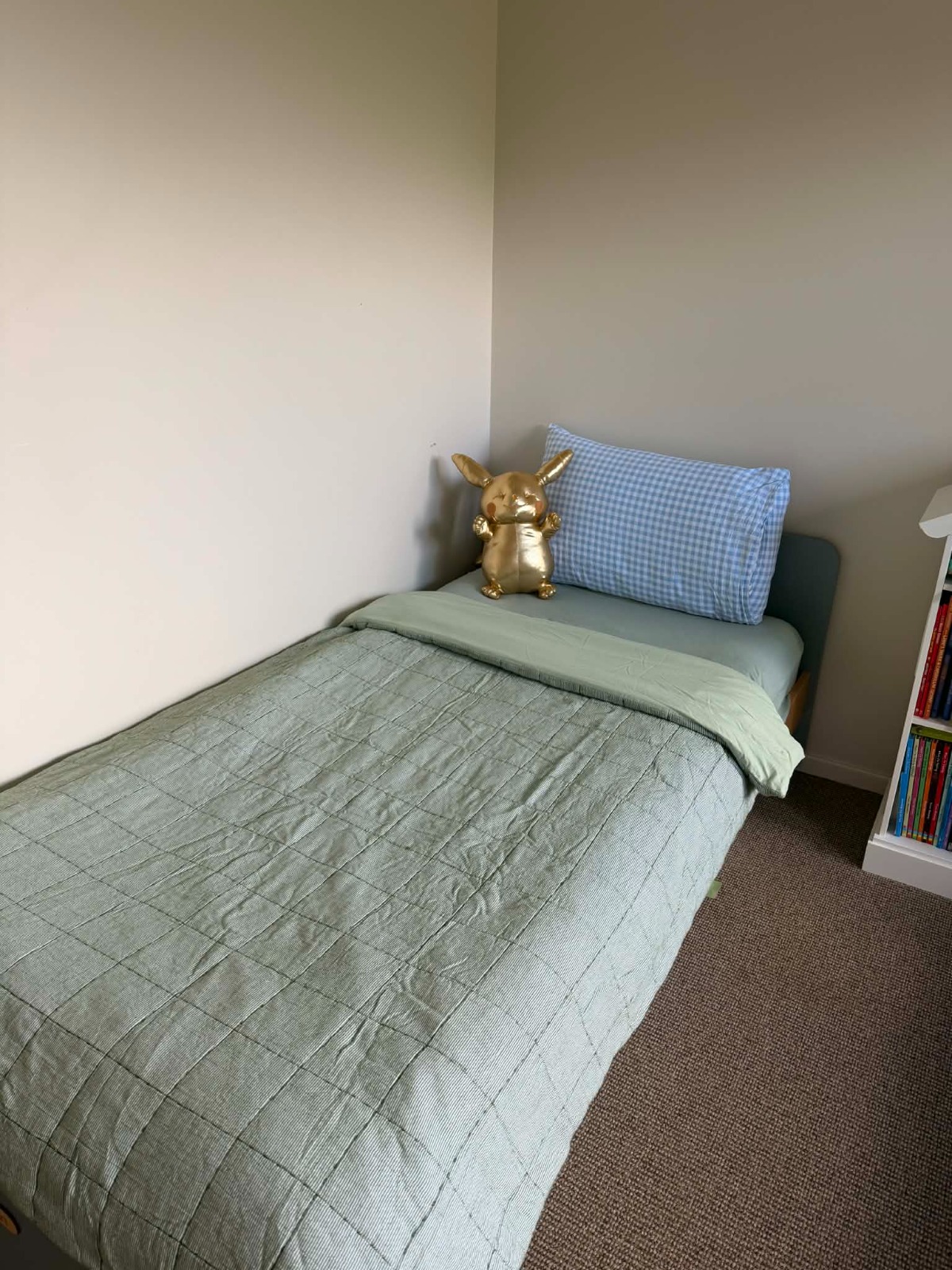
If your dog or cat normally sleeps on the bed, that mattress is full of allergens. Replace it or use an allergen-proof encasement (zippered, tightly woven), then wash all bedding hot. Start fresh from there.
Air Management
Open windows for cross-flow daily when weather allows. Stale indoor air concentrates allergens.
Air purifiers with true HEPA filtration help in bedrooms and main living areas. The honest position: clinical evidence is moderate rather than conclusive, but in practice they reduce visible particle load and most allergic households find them worth running.
Common Mistakes
Lint rolling the sofa: Removes visible hair, does almost nothing for the allergen content. Same with brushing pet hair off clothes before putting them in the wash.
Spraying air fresheners or scented sprays: These mask smell. They don't reduce allergens, and the volatile compounds can trigger asthma directly.
Bathing the pet too often: Some advice says weekly, but daily or near-daily bathing strips natural oils and irritates skin. Counterintuitively, it can also increase shedding. Weekly to fortnightly is the realistic range. Ask your vet first.
Buying a "hypoallergenic" breed and assuming the problem is solved: There's no truly hypoallergenic dog or cat. Some breeds shed less or produce less allergen, but every dog and cat has dander.
When Professional Cleaning Helps
A regular house cleaning service that actually knows the method makes a measurable difference in pet households. HEPA vacuuming. Damp dusting top to bottom. Attention to upholstery and curtains. The bedroom gets prioritised. Most general cleaners don't do this without being asked. Ask.
A periodic deep clean every six to twelve months also helps. Skirting boards thoroughly washed, behind heavy furniture vacuumed, soft furnishings rotated, carpets professionally cleaned. This is deep cleaning territory and it resets the allergen load in the house.
If you want a Sydney cleaning team that takes pet allergen households seriously, our residential cleaning service covers HEPA vacuuming and proper allergen-aware cleaning as standard.